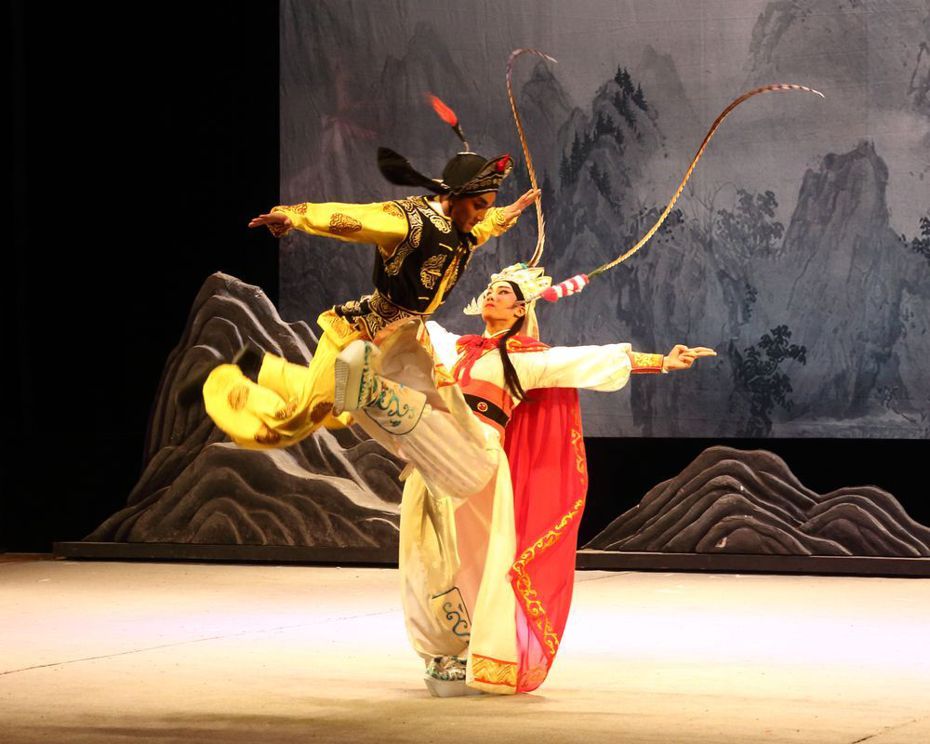
Chinese culture is one of the oldest and most influential cultures in the world, covering a wide range of content, including language, philosophical thought, literature and art, traditional etiquette, technological innovation, etc. The following is a detailed introduction to Chinese culture:
Language
Chinese is the official language of China and one of the most spoken languages in the world. As the Chinese writing system, Chinese characters have a long history and rich cultural connotations. Chinese characters are a type of hieroglyphics. Each character has its own unique shape and meaning. After evolution and development, it has formed an extensive and profound writing system.
Philosophical thought
China has a long philosophical tradition, including Confucianism, Taoism, Mohism, Legalism, military strategism and other schools of thought. Among them, Confucianism has had a profound impact on Chinese society and culture, emphasizing moral principles such as benevolence, etiquette, loyalty and filial piety, and influencing Chinese people’s behavioral norms and values.
Literature and art
Chinese literature has a long history, including poetry, prose, novels, drama and other forms. Ancient Chinese poets such as Li Bai, Du Fu, and Su Shi left many outstanding poems; literary schools such as the Eight Great Masters of the Tang and Song Dynasties and the Four Great Masters of the Yuan, Ming and Qing Dynasties also made important contributions to the development of Chinese literature. Chinese calligraphy, painting, music, dance and other art forms also have unique styles and characteristics.
Traditional etiquette
Traditional Chinese etiquette focuses on respecting elders, family and social relationships, and advocates traditional virtues such as filial piety, etiquette, and integrity. Traditional festivals such as Spring Festival, Qingming Festival, Mid-Autumn Festival, etc., as well as major occasions such as weddings and funerals, have specific etiquette norms and customs and traditions.
Scientific and technological innovation
Ancient China also had outstanding achievements in the field of science and technology, such as papermaking, gunpowder, compass, movable type printing and other inventions, which had an important impact on the world’s scientific and technological progress. China’s modern science and technology is also developing continuously, covering many fields such as information technology, biotechnology, and aerospace technology.
Food culture
China’s food culture has a long history and is characterized by diversity and health preservation. There are eight major Chinese cuisines, such as Sichuan cuisine, Cantonese cuisine, Shandong cuisine, etc., each with its own characteristics; tea culture is also an important part of Chinese culture, and tea art reflects the Chinese people’s taste and pursuit of life.
Clothing and architecture
Traditional Chinese clothing is represented by Hanfu, which pays attention to the exquisiteness of colors, patterns and designs; ancient Chinese architecture is mainly palaces, temples, gardens, etc., with unique style and charm.
In general, Chinese culture is a profound and long-standing cultural treasure house that integrates rich and colorful elements and demonstrates the wisdom, virtue and creativity of the Chinese people. These cultural traditions not only provide spiritual support for the daily life of the Chinese people, but also make important contributions to the development of world civilization.
Traditional medicine and health culture
Traditional Chinese medicine is one of the oldest, most complete and longest-standing medical systems in the world, including traditional Chinese medicine, acupuncture, massage and other therapies. Traditional Chinese medicine focuses on regulating the body and preventing diseases, and emphasizes the harmonious coexistence between man and nature, which reflects the Chinese people’s emphasis on health and reverence for nature.
Folk art and folk culture
Chinese folk art has various forms, such as folk music, folk dance, folk drama, etc., which reflect the living customs, beliefs and emotions of the Chinese people. Folk culture includes traditional festival celebrations, folklore stories, folk crafts, etc. It is rich and colorful and represents the wisdom and creativity of the Chinese people.
Traditional festivals and folk activities
China has rich and colorful traditional festivals, such as the Spring Festival, Dragon Boat Festival, Mid-Autumn Festival, etc. Each festival has unique customs and traditional activities, which enriches people’s lives and unites national unity and unity. Cultural Identity.
Religion and belief
China has a variety of religious beliefs, including Buddhism, Taoism, Confucianism, etc., as well as foreign religions such as Islam and Christianity. These religious beliefs permeate Chinese culture, influence people’s behavioral norms, lifestyles and social outlook, and reflect the religious feelings and spiritual pursuits of the Chinese people.
Integration of national culture and multiculturalism
China has a history of more than 5,000 years, covering the cultures of many ethnic minorities. Each ethnic culture has unique expressions in language, clothing, food, art, etc. Within China, the cultures of different ethnic groups blend with each other and develop together, forming a rich and colorful multicultural landscape.
Modern culture and fashion industry
With the rapid development of China’s economy, modern culture and fashion industry are booming. China’s film, music, fashion design, Internet culture and other fields are gradually moving towards the international stage, demonstrating China’s fashion charm and cultural soft power.
Chinese culture is a large and complex system that integrates multiple elements and embodies the wisdom, virtue and creativity of the Chinese people. These rich and colorful cultural traditions not only provide spiritual support for the daily life of the Chinese people, but also make important contributions to the development of world civilization.
Chinese Martial Arts and Kung Fu Culture
Chinese martial arts has a long history and is an important part of traditional Chinese culture. Martial arts is not only a fighting skill, but also a way of physical and mental cultivation, emphasizing both internal and external training, softness and strength. Chinese Kung Fu culture reflects the Chinese people’s pursuit of health, self-improvement and moral cultivation through the inheritance of Xingyi Quan, Tai Chi, Shaolin Kung Fu and other schools.
Family Concepts and Family Culture
Traditional Chinese family concepts emphasize the importance of family, paying attention to filial piety, family affection and family tradition. Family plays a vital role in Chinese culture and is an important cornerstone of personal growth, emotional communication and social stability. It reflects the Chinese people’s pursuit of family harmony.
Marriage system and marriage custom culture
The traditional Chinese marriage system focuses on family marriage and respecting the wishes of parents. The marriage relationship is regarded as an important guarantee for the stability of the family and society. China’s wedding customs and culture are rich and colorful, including engagement ceremonies, wedding customs, wedding banquet traditions, etc., which reflect the importance and blessings the Chinese people attach to marriage and family.
Season and Natural Solar Terms
Traditional Chinese culture focuses on living in harmony with nature and divides the year into 24 solar terms to reflect seasonal changes and farming seasons. The Chinese people hold various festive activities during the solar terms, such as spring plowing, summer harvest, autumn harvest, etc., which reflect the Chinese people’s awe and gratitude for nature.
Respecting the Elderly and Elderly Culture
Traditional Chinese culture pays attention to respecting the elderly and believes that the elderly have the supreme status in the family and society. The traditional Chinese concepts of respecting the elderly and being filial to parents are deeply rooted in Chinese society. Elderly culture also occupies an important position in Chinese society, reflecting the Chinese values of family, tradition and respect. Chinese culture is an extensive, profound and long-established cultural system that incorporates rich and colorful elements and reflects the wisdom, virtue and creativity of the Chinese people. These cultural traditions not only provide spiritual support for the daily life of the Chinese people, but also make important contributions to the development of world civilization.
Morality and social ethics
Traditional Chinese culture emphasizes morality and ethics, including values such as filial piety, loyalty, and integrity. These moral principles not only affect personal behavior, but also affect social order and interpersonal relationships. The Chinese people attach great importance to cultivating good moral character and moral cultivation, and emphasize individual and social responsibilities and obligations.
Educational tradition and cultural education
Traditional Chinese education focuses on the comprehensive development of morality, intelligence, body, and beauty, and emphasizes the educational goals of learning, self-cultivation, family management, and country governance. Ancient Chinese Confucian culture attached great importance to and had a profound influence on education, which promoted the establishment and development of the ancient Chinese education system. Cultural education is an important part of traditional Chinese education. Through classic recitation, calligraphy, painting, music and dance, it cultivates the cultural literacy and aesthetic taste of the Chinese people.
Human geography and regional culture
China has a vast territory, diverse topography, and different regions have unique cultural characteristics. The water town culture in the south, the grassland culture in the north, and the ethnic minority culture in the southwest have all added rich and colorful colors to Chinese culture. China’s cultural and geographical landscapes such as the Yangtze River, Yellow River, and the Great Wall are also important symbols and spiritual symbols of Chinese culture.
Sports and traditional sports culture
Chinese traditional sports culture has a long history, including martial arts, Tai Chi, Qigong and other forms. The Chinese people attach great importance to physical exercise and health care. Traditional sports activities are an important part of Chinese culture and reflect the Chinese people’s pursuit of a healthy and harmonious life.
Modern entertainment and cultural industry
With the rapid development of China’s economy, the modern entertainment industry is booming. Cultural industries such as movies, music, drama, and games have gradually become an important part of Chinese culture, demonstrating the fashion taste and life attitude of the Chinese people.
Chinese culture is a large and complex system that integrates multiple elements and embodies the wisdom, virtue and creativity of the Chinese people. These rich and colorful cultural traditions not only provide spiritual support for the daily life of the Chinese people, but also make important contributions to the development of world civilization.
Chinese art is a rich and colorful art system with a long history, including painting, calligraphy, music, dance, drama, sculpture, arts and crafts and other fields. The following is a detailed introduction to Chinese art:
Painting
Chinese painting has a long history, with landscapes, flowers and birds, figures, etc. as its main themes. Chinese painting emphasizes artistic conception and freehand brushwork, focusing on expressing the author’s emotions and will, without sticking to form and details. Traditional painting tools include brushes, ink, rice paper, etc. Chinese painting schools include meticulous brushwork, freehand brushwork, splash ink, ink painting, etc. Representative painters include Wang Xizhi, Yu Shinan, Wen Zhengming, Wu Changshuo, etc.
Calligraphy
Chinese calligraphy is known as the “King of Oriental Art” and is one of the treasures of Chinese culture. Chinese calligraphy includes official script, regular script, cursive script, running script and other fonts, emphasizing the style, ink rhythm and charm of the strokes. Chinese calligraphy pays attention to the use of pen and ink, the beauty of structure, and pursues the change and smoothness of character shapes. There are many famous calligraphers in Chinese history, such as Wang Xizhi, Yan Zhenqing, Ouyang Xun, etc.
Music
Chinese music has a long history, dominated by traditional musical instruments such as qin, harp, flute, and Xiao. Chinese music emphasizes melody, rhythm and rhythm, and focuses on expressing emotions and artistic conception. Chinese music includes court music, folk music, opera music and other forms. Representative works include “Guangling San”, “Pingsha Luoyan”, etc.
Dance
Chinese dance has a long history and is characterized by the grace of dance movements and the harmony of stage effects. Chinese dance includes classical dance, folk dance, modern dance and other forms, such as the classical dance drama “White-Haired Girl”, the folk dance “Miao Dance”, etc.
Drama
Chinese drama has a long history, including Peking Opera, Kun Opera, Cantonese Opera, Sichuan Opera and other types of opera. Chinese drama takes singing, chanting, acting, and fighting as its basic forms of expression, and pays attention to the performance of singing, expressions, movements, etc. Chinese drama enjoys a high reputation around the world for its unique artistic style and rich cultural connotation.
Sculpture
Chinese sculpture has a long history, including stone carving, wood carving, clay sculpture and other forms. Chinese sculptures focus on the expression of images and the shaping of shapes, often reflecting the aesthetic concepts and spiritual connotations of traditional Chinese culture. Ancient Chinese stone carvings, Buddha statues, pottery figurines and other sculptures are known as fine works of art.
Arts and crafts
Chinese arts and crafts include ceramics, jade, lacquerware, silk, embroidery and other categories. Chinese handicrafts enjoy a high reputation in the world for their exquisite craftsmanship and unique aesthetic style. Representative works include cloisonne, Song porcelain, brocade, etc.
Chinese art is a long-established, extensive and profound art system that integrates rich and colorful cultural elements and demonstrates the wisdom, beauty and creativity of the Chinese people. These art forms not only enrich people’s spiritual life, but also add unique charm to the world’s art treasure house.
Folk crafts and folk art
China’s folk crafts and folk art have a long history, including paper-cutting, embroidery, folk wood carving, paper-cutting and other forms. These folk crafts often reflect the Chinese people’s lifestyle, aesthetic taste and folk traditions, and have unique cultural connotation and artistic charm.
Printmaking art
China’s printmaking art has a long history, including woodcuts, watermarks, lithographs and other forms. Chinese prints often attract audiences with their simple lines, sharp contrasts and rich imagination. Representative works include “Thousand Miles of Rivers and Mountains” and so on.
Modern art and contemporary art
China’s modern art and contemporary art have achieved tremendous development in modern times, covering many fields such as painting, sculpture, photography, installation art, and performance art. With their unique aesthetic concepts, innovative artistic language and concern for contemporary society, Chinese modern and contemporary artists have demonstrated the vitality and diversity of Chinese contemporary culture on the international art stage.
Digital art and new media art
With the development of digital technology and new media, digital art and new media art in China have also attracted increasing attention. With their avant-garde concepts, diverse expressions and cross-border innovations, these art forms demonstrate Chinese artists’ profound thinking and expression on technology, culture and society.
Chinese art is a large and complex art system that integrates rich and colorful cultural elements and artistic styles, demonstrating the wisdom, beauty and creativity of the Chinese people. These art forms not only enrich people’s spiritual life, but also add unique charm and charm to the world’s art treasure house.